Comprehensive diagnosis and treatment for arterial, venous and diabetic foot conditions with open and minimally invasive vascular care.
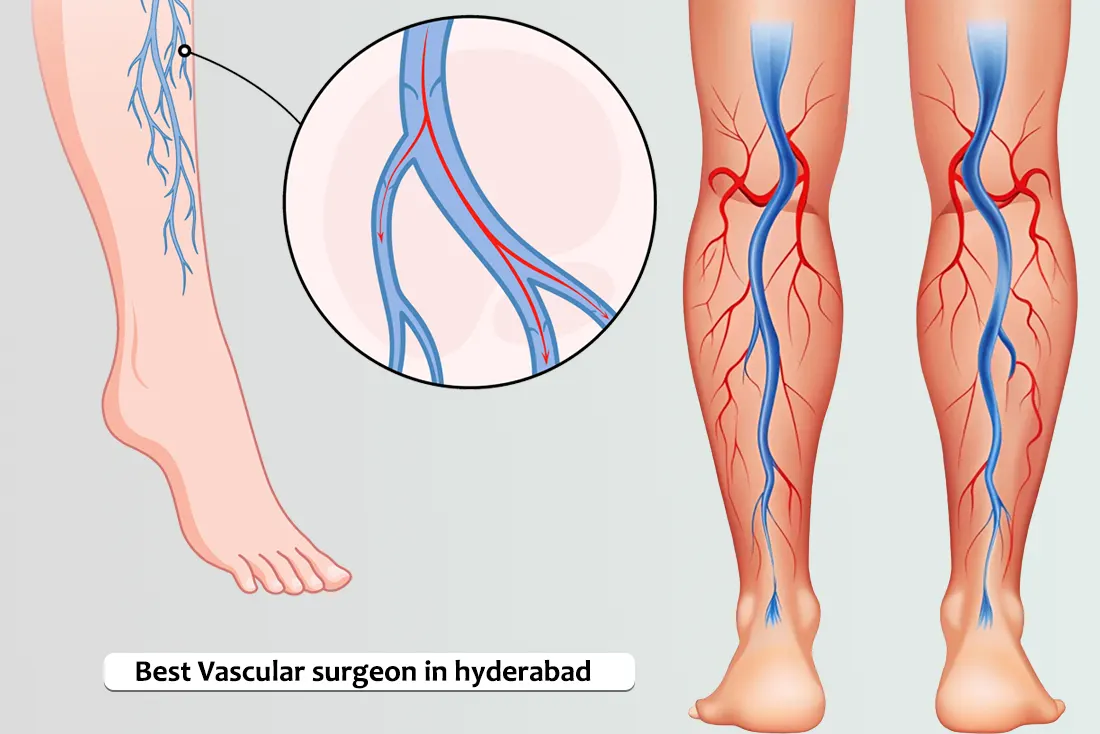
Specialist care for blood vessel conditions affecting the arteries, veins and circulation.
Experienced vascular specialists, advanced evaluation and personalized treatment for circulation problems.
Specialist-led care for arterial, venous and diabetic foot conditions.
Minimally invasive treatment options for selected vascular problems.
Focused evaluation for poor circulation, diabetic foot wounds and non-healing ulcers.
Diagnosis, treatment, follow-up and preventive vascular care under one roof.
Vascular Surgery in Kukatpally at Chiranjeevi Hospitals focuses on conditions affecting the arteries and veins outside the heart. Problems with circulation can lead to leg pain, swelling, varicose veins, blood clots, non-healing wounds and, in severe cases, tissue damage.
Our vascular and endovascular team evaluates both arterial and venous conditions. Patients may visit for leg pain while walking, persistent leg swelling, visible varicose veins, foot wounds that are slow to heal, sudden changes in the colour or temperature of a limb, or complications related to diabetes and poor circulation.
Treatment is selected according to the affected blood vessel, severity of disease, symptoms and overall health. Some patients can be managed with medicines, lifestyle changes, compression therapy and monitoring, while others may require minimally invasive endovascular procedures or open vascular surgery.
The department also works with other specialties when vascular disease is associated with diabetes, kidney disease, heart disease, infection or wound-care needs. The goal is to protect circulation, relieve symptoms and reduce complications whenever possible.
Consult a vascular specialist if you have persistent leg pain while walking, recurring leg swelling, painful varicose veins, skin darkening around the ankle, a non-healing foot wound, coldness or numbness in a foot, or pain in the toes or feet at rest.
People with diabetes, tobacco exposure, high blood pressure, high cholesterol, kidney disease or a previous history of vascular disease may need vascular assessment based on their symptoms and medical history.
Sudden severe leg pain, a limb that becomes unusually cold or pale, or sudden leg swelling with chest pain or breathlessness requires urgent medical evaluation.
Evaluation and treatment for common and complex vascular conditions.
Enlarged veins that may cause aching, heaviness, swelling or skin changes.
Narrowed leg arteries that can reduce blood flow and cause walking pain or poor wound healing.
A blood clot in a deep vein, commonly affecting the leg.
Foot wounds associated with diabetes, infection or reduced blood flow.
Narrowing of the arteries in the neck that supply blood to the brain.
Abnormal enlargement of an artery requiring specialist assessment.
Creation, evaluation and management of vascular access for hemodialysis.
Abnormal blood vessel formations that may cause swelling, pain or skin changes.
Appropriate vascular tests help identify blood-flow problems and guide treatment.
Uses ultrasound to evaluate blood flow in arteries and veins.
Ankle-Brachial Index (ABI)
Provides detailed images of blood vessels when advanced assessment is needed.
Uses magnetic resonance imaging to evaluate selected blood vessels.
Provides detailed vessel imaging and may allow treatment in selected cases.
Treatment is chosen according to the type, location and severity of vascular disease.
A catheter-based procedure used to improve blood flow through narrowed arteries.
A stent may be placed to help keep a treated blood vessel open.
Minimally invasive techniques used for selected abnormal superficial veins.
Creates an alternate route for blood flow around a severely narrowed or blocked artery.
May include blood-thinning medicines and selected procedures based on the clot and clinical condition.
Creates or maintains vascular access for patients requiring hemodialysis.

CHIEF VASCULAR AND ENDOVASCULAR SURGEON
MBBS, DNB (GEN SURGERY), MNAMS
DrNB (VASCULAR SURGERY), FIVS (AUSTRIA), FEVS
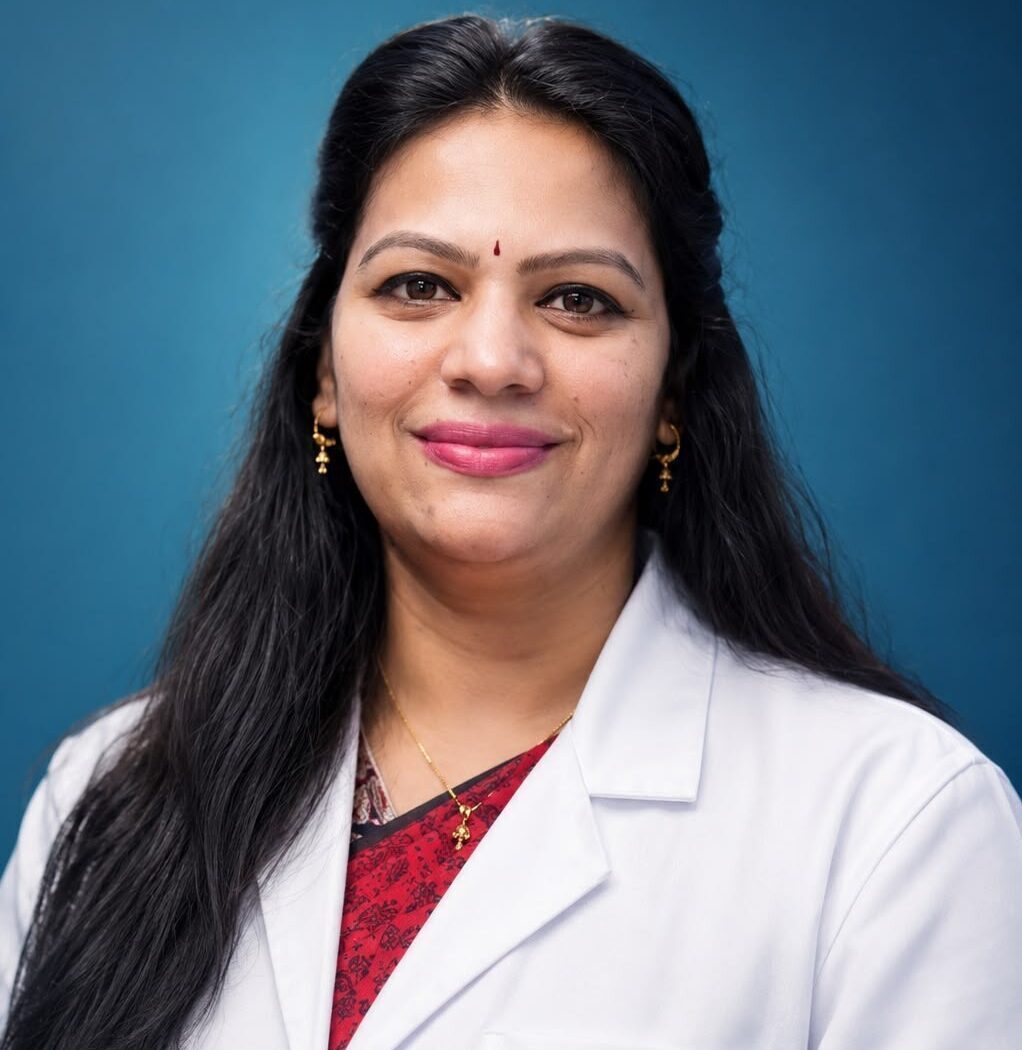
Head of Operations
Vascular and Endo Vascular Surgery Team
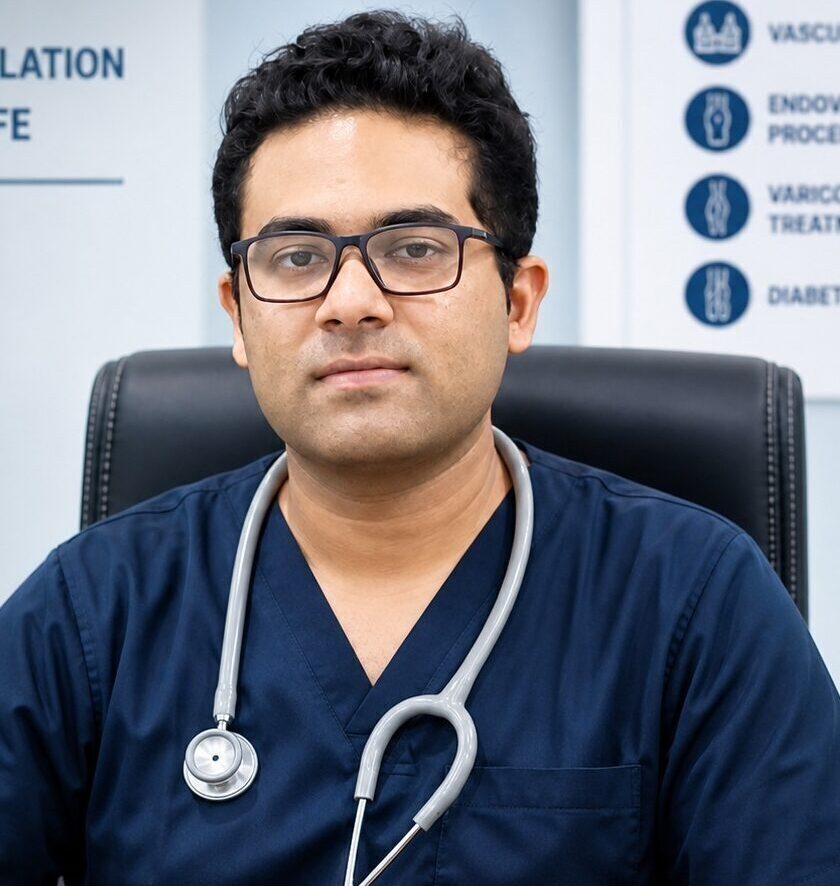
Vascular Surgery Team
M.B.B.S, FELLOWSHIP IN CARDIOTHORACIC AND VASCULAR SURGERY.
Vascular disease affects patients in different ways. Varicose veins may cause aching, heaviness and swelling after standing, while peripheral artery disease may cause leg pain during walking. In advanced arterial disease, reduced blood flow can contribute to rest pain, non-healing wounds or tissue damage.
Modern vascular care includes both open surgery and endovascular treatment. Endovascular procedures use catheters and imaging guidance to reach affected blood vessels through a small access point. Depending on the condition, treatment may involve angioplasty, stenting or other catheter-based techniques. Open surgery remains important for selected patients when it is the most appropriate way to restore circulation or repair a diseased vessel.
At Chiranjeevi Hospitals, treatment planning is individualized according to symptoms, imaging findings, associated medical conditions and expected benefit.
For patients in Kukatpally, KPHB, JNTU, Nizampet, Miyapur, Moosapet and nearby Hyderabad areas, the hospital provides access to vascular and endovascular care at its KPHB Phase 1 location.
People with diabetes can develop foot problems due to reduced sensation, infection, pressure-related wounds and poor blood flow. When circulation is inadequate, even a small wound may take longer to heal.
Vascular assessment is important when a diabetic foot ulcer is not healing, the foot becomes cold or discoloured, pulses are weak, or reduced arterial blood supply is suspected.
Treatment may involve wound care, infection control, pressure relief, diabetes management and procedures to improve circulation when appropriate.
A coordinated approach helps address both the wound and the factors delaying healing.
A vascular surgeon diagnoses and treats conditions affecting arteries and veins, including varicose veins, PAD, DVT, aneurysms, diabetic foot circulation problems and dialysis vascular access.
Possible symptoms include leg pain while walking, cold feet, numbness, skin colour changes and wounds that heal slowly.
No. Treatment may include lifestyle changes, medicines, compression therapy, monitoring, endovascular procedures or open surgery depending on the condition.
Open vascular surgery treats blood vessels through surgical exposure, while endovascular treatment uses catheters and imaging guidance through a small access point.
A non-healing wound, cold or discoloured foot, weak pulses or suspected poor circulation should be medically assessed.
Chiranjeevi Hospitals provides vascular and endovascular specialist care at 162, Road Number 1, KPHB Phase 1, Kukatpally, Hyderabad, Telangana 500072.
Get specialist evaluation for varicose veins, blocked arteries, DVT, diabetic foot and other vascular conditions at Chiranjeevi Hospitals.
Patient-focused treatment with clear guidance throughout your care.
Open and minimally invasive options based on individual needs.
Dedicated vascular and endovascular expertise for circulation problems.
Care from diagnosis and treatment through follow-up and recovery.
Our expert team is ready to provide personalized care for you and your family. Book your appointment today and take the first step towards better health.

©2026 Chiranjeevi Hospitals