Specialist surgical care for gallbladder, appendix, hernia and other abdominal conditions with a focus on safe treatment and faster recovery.
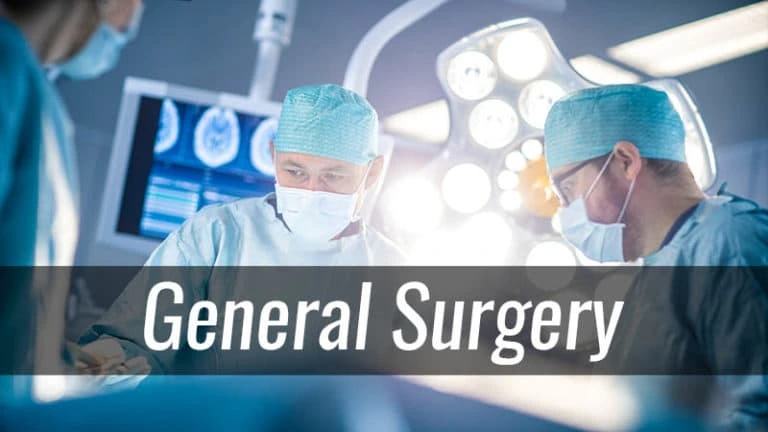

Comprehensive surgical evaluation and treatment for common abdominal and general surgical conditions.
Specialist-led surgical planning with minimally invasive and conventional treatment options based on individual patient needs.
Specialist evaluation and treatment for common general surgical conditions.
Laparoscopic techniques using smaller incisions for suitable procedures.
Surgical planning based on the condition, severity and overall health.
Care from diagnosis and preoperative assessment through surgery and recovery.
General Surgery focuses on the diagnosis and surgical treatment of conditions affecting the abdomen, gallbladder, appendix, abdominal wall and related structures.
At Chiranjeevi Hospitals, patients are evaluated carefully to determine whether surgery is required and which approach is most appropriate.
Common procedures include gallbladder removal, appendix surgery, hernia repair and diagnostic laparoscopy.
Whenever suitable, laparoscopic surgery may be used to perform procedures through smaller incisions compared with conventional open surgery. The surgical approach depends on the condition, severity, previous surgeries and individual health factors.
The goal is to provide safe, effective surgical treatment while supporting comfortable recovery and return to normal activities.
You may need a General Surgery consultation if you have persistent or severe abdominal pain, recurrent gallbladder symptoms, a suspected hernia or symptoms suggesting appendicitis.
A visible or painful swelling in the abdomen or groin, repeated pain after meals, nausea with abdominal pain or worsening tenderness may also require surgical evaluation.
Not every surgical condition requires immediate surgery. The surgeon first evaluates the symptoms, clinical findings and investigations before recommending observation, medical management or a surgical procedure.
Sudden severe abdominal pain, persistent vomiting, fever or rapidly worsening symptoms should be assessed promptly.
Evaluation and surgical care for common abdominal and general surgical problems.
Gallstones and gallbladder inflammation may cause upper abdominal pain, nausea and digestive discomfort.
Inflammation of the appendix commonly causes increasing abdominal pain and may require timely treatment.
A hernia that develops around the groin because of weakness in the abdominal wall.
A bulge near the belly button caused by tissue pushing through a weak area.
A hernia that develops through a weakened area related to a previous surgical incision.
A previously repaired hernia that develops again and requires specialist evaluation.
Selected abdominal or pelvic conditions may require further surgical assessment or diagnostic laparoscopy.
Weakness or defects in the abdominal wall may require evaluation for appropriate treatment.
Clinical assessment and appropriate investigations help determine the cause and severity of a surgical condition.
Evaluates pain, swelling, tenderness and other signs related to the surgical problem.
Commonly used to evaluate gallbladder disease, abdominal conditions and selected hernias.
May help identify infection, inflammation and other factors relevant to surgery.
Provides detailed imaging for selected abdominal conditions, hernias or complications.
A minimally invasive procedure that allows direct examination inside the abdomen when clinically required.
Overall health and surgical fitness are evaluated before a planned procedure.
The surgical approach depends on the diagnosis, severity of the condition and individual patient suitability.
Minimally invasive removal of the gallbladder for suitable patients with symptomatic gallbladder disease.
Surgical removal of the appendix using a minimally invasive approach when appropriate.
Surgical repair of the weakened abdominal wall using laparoscopic or open techniques depending on the hernia.
A minimally invasive procedure used to examine abdominal or pelvic structures when further evaluation is needed.
Conventional surgery may be required when a laparoscopic approach is unsuitable or the condition requires wider surgical access.
Follow-up includes wound care, activity guidance, symptom monitoring and recovery support.

MBBS, DNB, ECFMO (USA) REG NO. 52040 (10 AM-26 PM)
Modern General Surgery combines accurate diagnosis with surgical techniques selected according to each patient’s condition.
For suitable procedures, laparoscopic surgery allows the surgeon to operate through small abdominal incisions using a camera and specialized instruments.
Common laparoscopic procedures include gallbladder removal, appendix surgery and selected hernia repairs. Open surgery continues to remain appropriate for certain conditions depending on complexity and individual factors.
Before surgery, patients undergo appropriate clinical evaluation and investigations. After treatment, recovery planning may include pain management, wound care, gradual activity and follow-up.
Patients from Kukatpally, KPHB, JNTU, Nizampet, Miyapur, Moosapet and nearby Hyderabad areas can access General Surgery care at Chiranjeevi Hospitals.
Laparoscopic surgery is a minimally invasive approach used for selected abdominal surgical procedures.
A small camera allows the surgeon to view the operating area while specialized instruments are introduced through additional small incisions.
At Chiranjeevi Hospitals, laparoscopic techniques may be used for suitable gallbladder, appendix and hernia procedures.
The choice between laparoscopic and open surgery depends on the diagnosis, complexity of the condition, previous operations, overall health and surgeon assessment.
The focus is to select the safest and most appropriate surgical approach rather than using the same technique for every patient.
Patients receive preoperative evaluation and appropriate follow-up to support recovery after surgery.
General Surgeons commonly evaluate conditions involving the gallbladder, appendix, hernias, abdominal wall and other conditions that may require surgical treatment.
Laparoscopic surgery is a minimally invasive technique in which surgery is performed through small incisions using a camera and specialized instruments.
Gallbladder removal may be considered when gallstones or gallbladder disease cause significant or recurrent symptoms or complications.
Appendicitis requires prompt medical evaluation. Appendectomy remains a common treatment, although management can vary in selected cases depending on clinical findings.
A hernia generally does not close on its own. Whether and when surgery is recommended depends on its type, symptoms and risk of complications.
No. Some conditions are better treated with open surgery depending on complexity, anatomy and individual patient factors.
Tests may include blood investigations, ultrasound, CT imaging and medical fitness assessment depending on the planned procedure.
You can consult the General Surgery team at Chiranjeevi Hospitals, KPHB Phase 1, Kukatpally, Hyderabad.
Consult our General Surgery team for accurate evaluation and personalized surgical treatment based on your condition.
Evaluation and treatment for common general surgical conditions.
Laparoscopic surgery available for suitable surgical procedures.
Treatment selected according to diagnosis and individual needs.
Coordinated care from surgical evaluation through follow-up.
Our expert team is ready to provide personalized care for you and your family. Book your appointment today and take the first step towards better health.

©2026 Chiranjeevi Hospitals