Specialist care for kidney disease, abnormal kidney function, dialysis needs and related renal conditions with personalized treatment and follow-up.
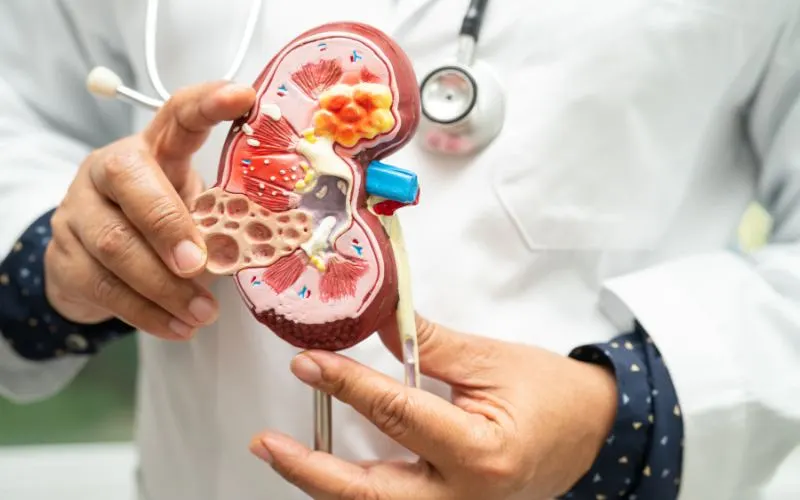

Comprehensive kidney care for acute and chronic kidney conditions, hypertension, dialysis needs and related renal problems.
Specialist-led evaluation focused on protecting kidney function, managing complications and providing appropriate long-term renal care.
Expert evaluation and management of common and complex kidney conditions.
Regular monitoring and treatment focused on slowing kidney-disease progression.
Specialist planning and management for patients who require renal replacement therapy.
Care planned according to kidney function, underlying cause and individual health needs.
Nephrology focuses on conditions affecting kidney function, fluid balance, electrolytes and blood-pressure regulation.
At Chiranjeevi Hospitals, kidney care begins with evaluating symptoms, medical history, laboratory results and underlying conditions such as diabetes or hypertension.
Kidney problems may develop gradually, as in chronic kidney disease, or occur suddenly as acute kidney injury. Early-stage chronic kidney disease can sometimes progress without obvious symptoms, making appropriate testing particularly important for people at increased risk.
Treatment depends on the cause and severity of kidney dysfunction and may include medicines, blood-pressure and diabetes management, fluid and electrolyte correction, dietary guidance and dialysis when required.
The goal is to protect remaining kidney function, manage complications and support long-term health.
You may need a nephrology consultation if blood tests show elevated creatinine or reduced kidney function, or if urine tests repeatedly show protein or blood.
Swelling of the feet or face, foamy urine, changes in urination, persistent high blood pressure and unexplained electrolyte abnormalities may also require kidney evaluation. Chronic kidney disease can remain symptom-free during its earlier stages.
People with diabetes, hypertension, previous acute kidney injury or a family history of kidney disease may benefit from periodic kidney-function assessment.
Prompt specialist evaluation helps identify the underlying cause and determine appropriate treatment and monitoring.
Evaluation and management for common kidney disorders affecting renal function, fluid balance and overall health.
Gradual loss of kidney function requiring regular monitoring and long-term management.
A sudden decline in kidney function that may develop because of illness, dehydration, infection or other causes.
Kidney damage associated with diabetes that may cause protein loss and progressive reduction in kidney function.
Long-standing high blood pressure can damage kidney blood vessels and contribute to declining kidney function.
A kidney condition associated with significant protein loss in the urine, swelling and other abnormalities.
Conditions affecting the filtering units of the kidneys that may cause protein or blood in the urine.
Abnormal sodium, potassium or other electrolyte levels related to kidney or medical conditions.
Advanced loss of kidney function that may require dialysis or consideration of kidney transplantation.
Kidney evaluation combines blood tests, urine tests and imaging to assess kidney function and identify the underlying problem.
Creatinine and estimated GFR help assess how effectively the kidneys are functioning.
Helps detect protein, blood, infection and other abnormalities in the urine.
Measures abnormal protein loss that may indicate kidney damage.
Evaluates sodium, potassium and other important minerals regulated by the kidneys.
Assesses kidney size, structure and possible urinary obstruction.
May be recommended in selected patients to identify specific kidney diseases and guide treatment.
Treatment depends on the type of kidney disease, kidney function, associated medical conditions and individual patient needs.
Medicines and lifestyle measures may be used to protect remaining kidney function and manage complications.
Careful blood-pressure control is an important part of protecting kidney health.
Management focuses on diabetes control, kidney monitoring and reducing further kidney damage.
Treatment helps correct abnormal fluid balance, potassium, sodium and related metabolic problems.
A dialysis machine removes excess fluid and waste from the blood when kidney function is severely reduced.
A form of dialysis that uses the lining of the abdomen to remove waste and excess fluid in suitable patients.
Suitable patients with advanced kidney failure may require transplant evaluation, preparation or specialist follow-up.

Senior Consultant Nephrologist & Renal Transplant Physician
MBBS, MD (General Medicine), DM (Nephrology)
Senior Consultant Nephrologist & Renal Transplant Physician
MBBS, MD (General Medicine), DNB (Nephrology)
Kidney disease can develop slowly and may not cause obvious symptoms during its early stages. Diabetes and hypertension are among the major risk factors for chronic kidney disease.
Regular monitoring of kidney function, urine protein, blood pressure and related health conditions helps guide treatment.
For patients with chronic kidney disease, management focuses on protecting remaining kidney function and controlling complications such as fluid retention, electrolyte imbalance and hypertension.
Patients with severe loss of kidney function may require dialysis or assessment for kidney transplantation. Dialysis helps remove waste and excess fluid when the kidneys can no longer perform these functions adequately.
Patients from Kukatpally, KPHB, JNTU, Nizampet, Miyapur, Moosapet and nearby Hyderabad areas can access specialist nephrology consultation at Chiranjeevi Hospitals.
Chronic kidney disease develops when kidney damage or reduced kidney function persists over time. Because symptoms may appear only after the disease becomes more advanced, regular monitoring is important for patients at risk.
Treatment is planned according to kidney function, underlying cause and associated health conditions.
Care may include blood-pressure control, diabetes management, medication review, nutritional guidance and correction of fluid or electrolyte problems.
When kidney function becomes severely reduced, the nephrologist evaluates whether dialysis is required and which type of renal replacement therapy is appropriate.
Hemodialysis and peritoneal dialysis are established treatment options for kidney failure, while kidney transplantation may be considered for suitable patients.
The aim is to manage symptoms, reduce complications and support the best possible quality of life.
A nephrologist diagnoses and manages kidney diseases, kidney-function abnormalities, electrolyte disorders, hypertension and dialysis-related conditions.
Possible signs include swelling, foamy urine, changes in urination, fatigue, nausea and reduced appetite. However, early chronic kidney disease may cause no noticeable symptoms.
Creatinine is a waste product measured in the blood and is commonly used together with other information to assess kidney function.
Yes. Diabetes is one of the major risk factors for chronic kidney disease and requires appropriate kidney monitoring.
Yes. Long-standing hypertension can contribute to kidney damage, while kidney disease itself can also make blood pressure more difficult to control.
No. Dialysis is generally required only when kidney function becomes severely impaired or when specific complications cannot be adequately controlled with medical treatment.
Hemodialysis filters blood through a dialysis machine, while peritoneal dialysis uses the lining of the abdomen as part of the filtration process.
You can consult Dr. Kiran Kumar Mukku and Dr. Sashidhar CH at Chiranjeevi Hospitals, KPHB Phase 1, Kukatpally, Hyderabad.
Consult our General Surgery team for accurate evaluation and personalized surgical treatment based on your condition.
Evaluation and treatment for common general surgical conditions.
Laparoscopic surgery available for suitable surgical procedures.
Treatment selected according to diagnosis and individual needs.
Coordinated care from surgical evaluation through follow-up.
Our expert team is ready to provide personalized care for you and your family. Book your appointment today and take the first step towards better health.

©2026 Chiranjeevi Hospitals