Specialist diagnosis and treatment for acidity, digestive disorders, liver conditions and gastrointestinal problems with personalized care.
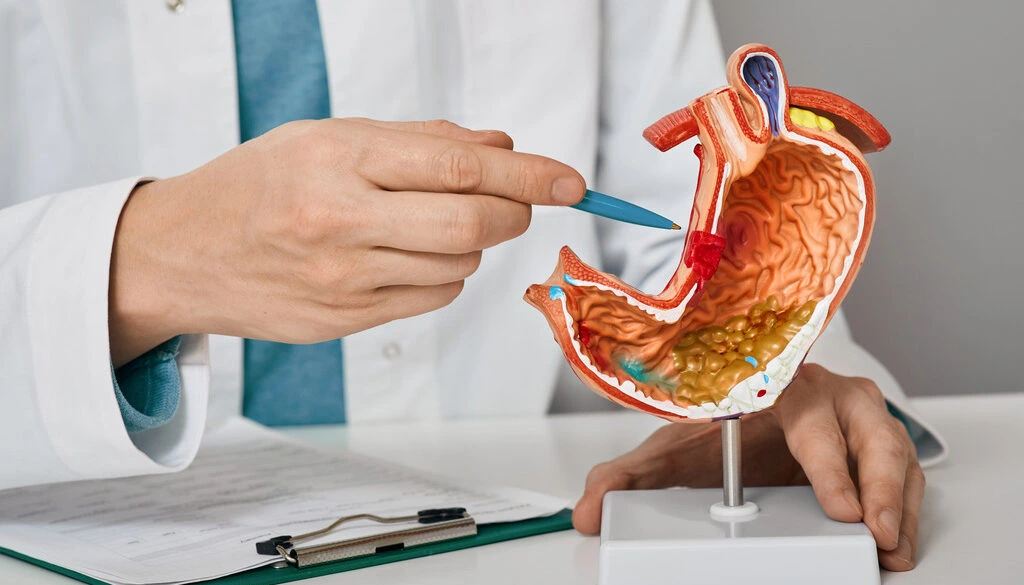

Comprehensive care for conditions affecting the digestive system, stomach, intestines, liver, pancreas and related organs.
Specialist-led evaluation with medical and endoscopic treatment options based on the underlying digestive condition.
Specialist evaluation for digestive, liver, stomach and intestinal conditions.
Diagnostic and therapeutic endoscopic procedures for suitable gastrointestinal conditions.
Evaluation and management of liver, gallbladder and pancreatic disorders.
Care planned according to symptoms, diagnosis, severity and individual health needs.
Gastroenterology focuses on conditions affecting the digestive tract, including the oesophagus, stomach, intestines, liver, gallbladder and pancreas.
At Chiranjeevi Hospitals, digestive care begins with understanding symptoms, medical history and appropriate investigations to identify the underlying condition.
Common concerns include acidity, abdominal pain, indigestion, constipation, diarrhoea, ulcers, IBS, inflammatory bowel disease, fatty liver and other liver-related problems.
Depending on the condition, treatment may include medicines, dietary guidance, lifestyle changes or endoscopic procedures.
Endoscopy and colonoscopy may be recommended when direct examination of the digestive tract is required.
The goal is to identify the cause of digestive symptoms and provide appropriate treatment while supporting long-term gastrointestinal and liver health.
You may consider a Gastroenterology consultation if you have persistent acidity, abdominal pain, bloating, indigestion, constipation or diarrhoea that repeatedly returns or does not improve.
Difficulty swallowing, persistent vomiting, unexplained weight loss, jaundice or changes in bowel habits may also require specialist evaluation.
Blood in vomit or stools, black stools and severe or worsening abdominal pain should be medically assessed promptly.
Patients with known fatty liver, hepatitis, inflammatory bowel disease or other chronic digestive conditions may also require regular Gastroenterology follow-up.
Evaluation and treatment for common conditions affecting the digestive system, liver and pancreas.
Stomach acid flowing back into the oesophagus may cause heartburn, regurgitation and upper abdominal discomfort.
Inflammation or ulcers in the stomach or duodenum may cause pain, nausea, indigestion or bleeding.
A functional bowel disorder associated with abdominal pain, bloating, constipation, diarrhoea or changing bowel habits.
Crohn’s disease and ulcerative colitis cause chronic inflammation within the digestive tract.
Excess fat accumulation in the liver may require metabolic evaluation, lifestyle management and monitoring.
Inflammation or chronic disease of the liver requires evaluation to determine the cause and severity.
Inflammation of the pancreas can cause significant upper abdominal pain and digestive symptoms.
Persistent changes in bowel habits may require evaluation for underlying digestive conditions.
Appropriate investigations help identify the cause of digestive symptoms and guide treatment.
May help assess liver function, inflammation, anaemia and other gastrointestinal concerns.
Evaluates the liver, gallbladder, pancreas and other abdominal structures.
Allows direct examination of the oesophagus, stomach and upper digestive tract.
Examines the large intestine and rectum for inflammation, polyps, bleeding and other abnormalities.
Advanced imaging may be recommended for selected abdominal, liver or pancreatic conditions.
EUS may be advised in selected patients for detailed evaluation of gastrointestinal and nearby structures.
Treatment is selected according to the diagnosis, severity of symptoms and individual patient requirements.
Medicines and lifestyle measures may be used to manage reflux, gastritis and peptic ulcer disease.
Treatment may include dietary changes, medicines and symptom-specific management.
Care focuses on the underlying liver condition, metabolic risk factors and prevention of further liver damage.
Endoscopic techniques may be used to treat selected gastrointestinal bleeding, strictures, polyps and other conditions.
An endoscopic procedure used to diagnose and treat selected bile duct and pancreatic duct conditions.
Polyps identified during suitable endoscopic procedures may be removed for treatment and pathological assessment.

Consultant Medical Gastroenterologist
MBBS, MD – Internal Medicine, DM – Gastroenterology
Post-Doctoral Fellowship in Therapeutic Advanced Endoscopy
Digestive symptoms can result from conditions affecting different parts of the gastrointestinal system.
Persistent acidity may be related to reflux or stomach disease, while abdominal pain and bowel changes may develop from intestinal, liver, gallbladder or pancreatic conditions.
Specialist evaluation helps identify the underlying problem before treatment is selected.
Many digestive conditions can be managed with medicines, dietary changes and lifestyle measures. When further evaluation is required, endoscopy, colonoscopy or advanced imaging can provide additional diagnostic information.
Endoscopic procedures may also allow selected gastrointestinal conditions to be treated without conventional open surgery.
Patients from Kukatpally, KPHB, JNTU, Nizampet, Miyapur, Moosapet and nearby Hyderabad areas can access specialist Gastroenterology care at Chiranjeevi Hospitals.
Endoscopy allows the Gastroenterologist to directly examine different parts of the digestive tract using a thin flexible instrument with a camera.
Upper GI endoscopy can evaluate the oesophagus, stomach and duodenum, while colonoscopy examines the large intestine and rectum.
These procedures may help identify inflammation, ulcers, bleeding, polyps, narrowing and other digestive abnormalities.
Advanced endoscopic procedures can also be used therapeutically in selected patients. ERCP may help manage certain bile-duct or pancreatic-duct conditions, while EUS provides detailed imaging of the gastrointestinal tract and surrounding structures.
The appropriate procedure is selected according to symptoms, previous investigations and the clinical condition.
A Gastroenterologist treats conditions affecting the oesophagus, stomach, intestines, liver, gallbladder and pancreas.
Frequently recurring acidity, difficulty swallowing, vomiting, unexplained weight loss or symptoms that continue despite treatment should be medically evaluated.
Upper GI endoscopy uses a flexible camera to examine the oesophagus, stomach and first part of the small intestine.
Colonoscopy allows examination of the colon and rectum and may help identify inflammation, bleeding, polyps and other abnormalities.
Management commonly focuses on weight, metabolic health, diabetes, cholesterol, alcohol intake when relevant and other underlying risk factors.
ERCP is an advanced endoscopic procedure used to diagnose and treat selected conditions involving the bile and pancreatic ducts.
Possible symptoms include jaundice, abdominal swelling, fatigue and loss of appetite, although some liver diseases may initially cause few symptoms.
You can consult Dr. Giridhar Reddy, Consultant Medical Gastroenterologist, at Chiranjeevi Hospitals, KPHB Phase 1, Kukatpally, Hyderabad.
Get specialist evaluation for persistent digestive symptoms, liver concerns and gastrointestinal problems with personalized treatment.
Evaluation and treatment for stomach, intestinal and digestive conditions.
Diagnostic and therapeutic endoscopic expertise for suitable GI conditions.
Specialist evaluation for liver, gallbladder and pancreatic concerns.
Care planned according to diagnosis, symptoms and individual needs.
Our expert team is ready to provide personalized care for you and your family. Book your appointment today and take the first step towards better health.

©2026 Chiranjeevi Hospitals