

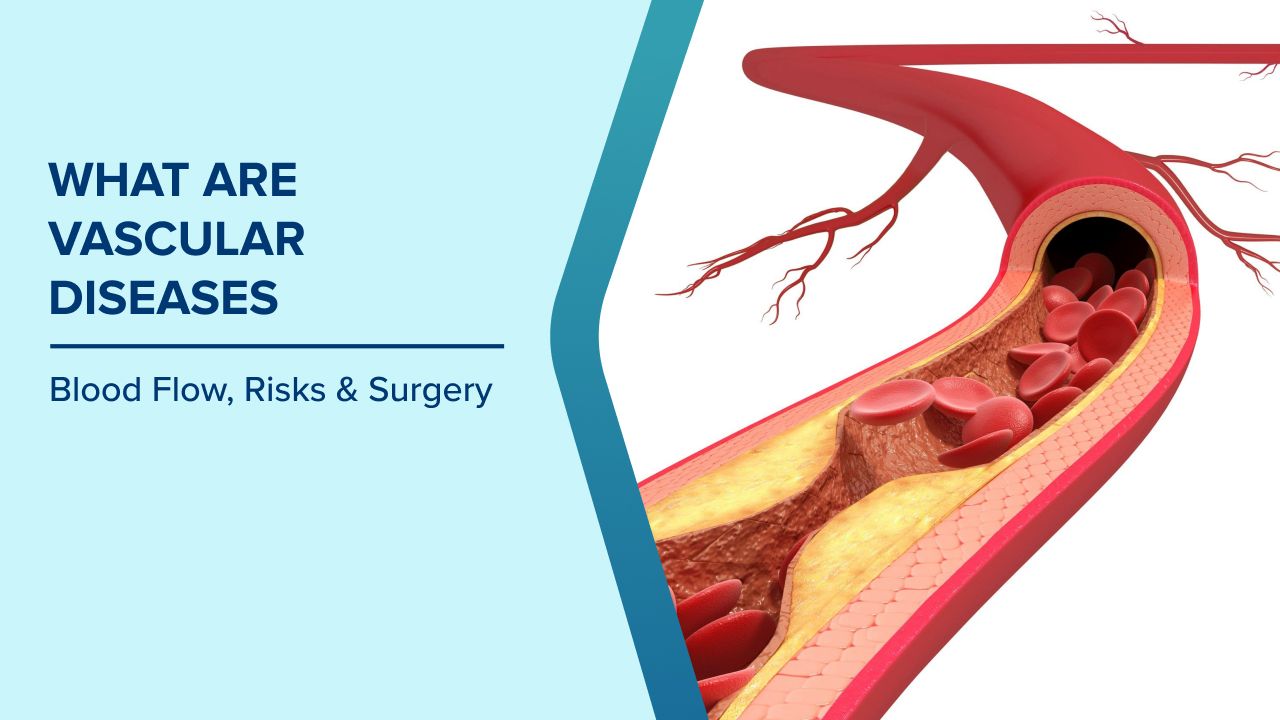
The Ultimate Proven Guide: How to Prepare for Vascular Surgery Safely
Facing a vascular procedure can naturally induce anxiety. Whether you are scheduled for a minimally invasive endovascular intervention or a complex open surgery, thorough preparation is the undisputed key to minimizing surgical risks, accelerating your recovery timeline, and ensuring the absolute best possible clinical outcome.
Vascular surgery primarily addresses diseases affecting the arteries and veins—the intricate highway system that manages the critical flow of oxygen-rich blood throughout your entire body. Conditions like Peripheral Artery Disease (PAD), Deep Vein Thrombosis (DVT), carotid artery disease, and aortic aneurysms require expert surgical intervention to restore normal blood flow and prevent life-threatening complications such as strokes or limb loss.
In this comprehensive, medically-reviewed guide, we will walk you through exactly what you need to do in the critical weeks, days, and hours leading up to your vascular surgery. By strictly adhering to these clinical guidelines, you can approach your procedure with confidence, clarity, and peace of mind.
1. Understanding the Scope of Vascular Surgery
The first step in preparation is education. Vascular surgery is a broad medical discipline. Modern vascular surgeons utilize both traditional "open" surgical techniques and advanced "endovascular" (minimally invasive, catheter-based) approaches. Understanding the specific nature of your scheduled operation will help you prepare practically and mentally. It dictates how long you will fast, how many days you will spend in the hospital, and how you need to arrange your home for recovery.
2. Common Types of Vascular Procedures
To help you understand what you might be facing, below is an overview of the most frequently performed vascular surgeries, their typical approach, and baseline recovery expectations.
| Procedure Name | Condition Treated | Surgical Approach | Expected Hospital Stay |
|---|---|---|---|
| Angioplasty & Stenting | Blocked arteries (PAD) | Minimally Invasive (Endovascular) | Same Day / 1 Night |
| Carotid Endarterectomy | Plaque in neck arteries (Stroke risk) | Open Surgery | 1 - 2 Nights |
| Endovascular Aneurysm Repair (EVAR) | Abdominal Aortic Aneurysm | Minimally Invasive (Catheter) | 1 - 3 Nights |
| Open Aneurysm Repair | Complex Aortic Aneurysms | Major Open Surgery | 5 - 7 Nights |
| Peripheral Artery Bypass | Severe Leg Artery Blockages | Open Surgery | 3 - 5 Nights |
| Varicose Vein Ablation | Venous Insufficiency | Minimally Invasive (Laser/Radiofrequency) | Outpatient (Go home same day) |
3. Weeks Before the Surgery: Comprehensive Medical Clearances
Preparation for vascular surgery begins weeks before you ever enter the operating theater. Because the vascular system is intrinsically linked to cardiovascular and pulmonary health, your surgical team will mandate a rigorous pre-operative screening process. This is designed to confirm that your heart and lungs can safely handle the stress of anesthesia and the surgical procedure itself.
Standard Pre-Operative Tests Include:
- Electrocardiogram (ECG/EKG): Maps the electrical activity of your heart to detect arrhythmias or signs of previous, unnoticed heart attacks.
- Echocardiogram: An ultrasound of the heart to check pumping strength (Ejection Fraction) and valve function.
- Comprehensive Blood Panels: Including Complete Blood Count (CBC), Kidney Function Tests (Creatinine/BUN), Liver function, and crucial Coagulation profiles (PT/INR) to see how fast your blood clots.
- Advanced Imaging: Duplex ultrasounds, CT Angiography (CTA), or Magnetic Resonance Angiography (MRA) to provide the surgeon with a precise 3D roadmap of your vascular anatomy.
4. The Critical Role of Medication Management
Because vascular surgery directly involves blood vessels and blood flow, meticulous management of your medications—especially blood thinners—is paramount. Mishandling medication can lead to dangerous intraoperative bleeding or postoperative blood clots.
CRITICAL WARNING: Never stop taking any prescribed medication without explicit, direct orders from your vascular surgeon or primary cardiologist. This includes over-the-counter supplements.
- Blood Thinners (Anticoagulants & Antiplatelets): Medications such as Aspirin, Clopidogrel (Plavix), Warfarin (Coumadin), Eliquis, or Xarelto usually need to be paused. Your doctor will provide a specific timeline—often 3 to 7 days prior to surgery. In some cases, you may be transitioned to a temporary injectable thinner (bridging therapy).
- Diabetes Medications: Fasting before surgery affects your blood sugar. Your doctor will adjust your Insulin or oral hypoglycemics (like Metformin) dosage for the morning of the surgery.
- Blood Pressure Medications: Most beta-blockers and blood pressure medications should be taken the morning of surgery with a tiny sip of water, but always confirm this with your anesthesiologist.
- Herbal Supplements: Stop all supplements (Vitamin E, Fish Oil, Garlic, Ginkgo Biloba) at least two weeks prior, as they can cause unexpected bleeding.
5. Dietary and Lifestyle Adjustments
Optimizing your physical health prior to surgery drastically improves your body's ability to heal wounds and fight off potential hospital-acquired infections.
Smoking Cessation is Mandatory
If you smoke, stopping is the single most important action you can take. Nicotine is a potent vasoconstrictor—meaning it shrinks blood vessels, reduces oxygen delivery to tissues, and destroys the delicate inner lining of the arteries. Smoking heavily increases the risk of graft failure, blood clots, and respiratory failure under anesthesia. Quitting even 2 to 4 weeks before your vascular procedure significantly reduces these risks.
Nutrition and Hydration
Adopt a high-protein, nutrient-dense diet in the weeks leading up to your date. Protein is the building block of cellular repair. Ensure you are adequately hydrated, which keeps veins plump and makes inserting IV lines much easier for the nursing staff.
6. 24 Hours Before Surgery: Fasting and Packing
The day before surgery is focused on logistical readiness and protecting your airway for anesthesia.
Strict NPO (Fasting) Guidelines
To prevent a life-threatening complication called pulmonary aspiration (where stomach contents enter the lungs while you are unconscious), you must have an empty stomach.
- Solid Foods: Stop eating all solid foods, including milk and heavy meals, strictly at midnight (or 8 hours before arrival).
- Clear Liquids: You may usually drink clear fluids (water, black coffee without milk, apple juice) up until 2 to 4 hours before your arrival time. Follow your specific hospital's exact NPO rules.
What to Pack
Keep your hospital bag light but essential. Bring your photo ID, insurance cards, complete printed medication list, loose-fitting clothes (avoid tight waistbands if having abdominal or groin incisions), slip-on shoes, and a case for glasses or dentures. Leave all jewelry and valuables at home.
7. The Day of Your Procedure
On the morning of the surgery, take a shower using the special chlorhexidine (antibacterial) soap provided by your clinic. Pay special attention to the surgical site (neck, abdomen, or groin). Do NOT apply lotions, deodorants, or perfumes, as these interfere with ECG stickers and surgical sterility. Do NOT shave the surgical area yourself; the surgical team will use specialized sterile clippers in the prep room to avoid microscopic cuts.
Once checked in, you will meet your pre-op nurse, who will place your IV line. The anesthesiologist will review your chart, and your vascular surgeon will visit to answer final questions and use a marker to initial the exact surgical site on your body.
8. Post-Surgery Recovery Timeline Expectations
Recovery is highly individualized, but here is a standard timeline of what to expect based on surgical intensity:
| Recovery Phase | Endovascular (Minimally Invasive) | Open Vascular Surgery |
|---|---|---|
| Immediate (0-24 Hrs) | Bed rest for 2-6 hours to prevent groin bleeding; walking by evening. | ICU or step-down unit monitoring; vital signs checked hourly; pain management via IV. |
| Short-Term (1-2 Weeks) | Return to light daily activities; mild bruising at puncture site. | Discharged from hospital; significant resting required; incision care is paramount. |
| Long-Term (1-3 Months) | Full return to heavy lifting and vigorous exercise. | Gradual return of energy; physical therapy may be required; follow-up ultrasounds to check graft/stent. |
9. Accessing Advanced Vascular Care in Hyderabad
For patients residing in Telangana and Andhra Pradesh, geographic access to premier healthcare is a major advantage. Hyderabad has rapidly established itself as a leading destination for complex cardiovascular and neurovascular interventions in India.
Hospitals in advanced medical corridors like Jubilee Hills, Banjara Hills, and Gachibowli are equipped with cutting-edge Hybrid Cath Labs. These facilities allow vascular surgeons to seamlessly transition from minimally invasive endovascular techniques to open surgery in the exact same room if an emergency arises. When booking your surgery in Hyderabad, ensure you factor in city traffic for your discharge day—you must have a designated family member or medical transport drive you home, as driving post-anesthesia is strictly prohibited.
10. Frequently Asked Questions
Can I drink water the morning of my vascular surgery?
No, generally you must stop drinking all fluids, including water, 2 to 4 hours before your arrival time to prevent anesthesia complications. Only take a tiny sip of water if you have been explicitly instructed to swallow vital morning medications by your anesthesiologist.
Will vascular surgery cure my peripheral artery disease (PAD)?
Vascular surgery is an intervention to restore blood flow and save limbs, but it is not a "cure" for the underlying disease. Atherosclerosis (plaque buildup) is a systemic condition. Long-term success requires strict adherence to medications, a healthy diet, smoking cessation, and routine follow-up ultrasounds.
How painful is the recovery from a bypass surgery?
Open bypass surgery involves significant incisions, so pain is expected. However, modern multimodal pain management (combining nerve blocks, IV pain relievers, and oral medications) ensures that your pain remains manageable. You will transition to oral pain pills before you are discharged home.
When can I shower after vascular surgery?
For minimally invasive puncture sites, you can usually shower within 24 to 48 hours. For open surgical incisions, you may need to wait several days or keep the area covered with a waterproof dressing. Never submerge incisions in a bathtub, pool, or jacuzzi until fully cleared by your surgeon.