

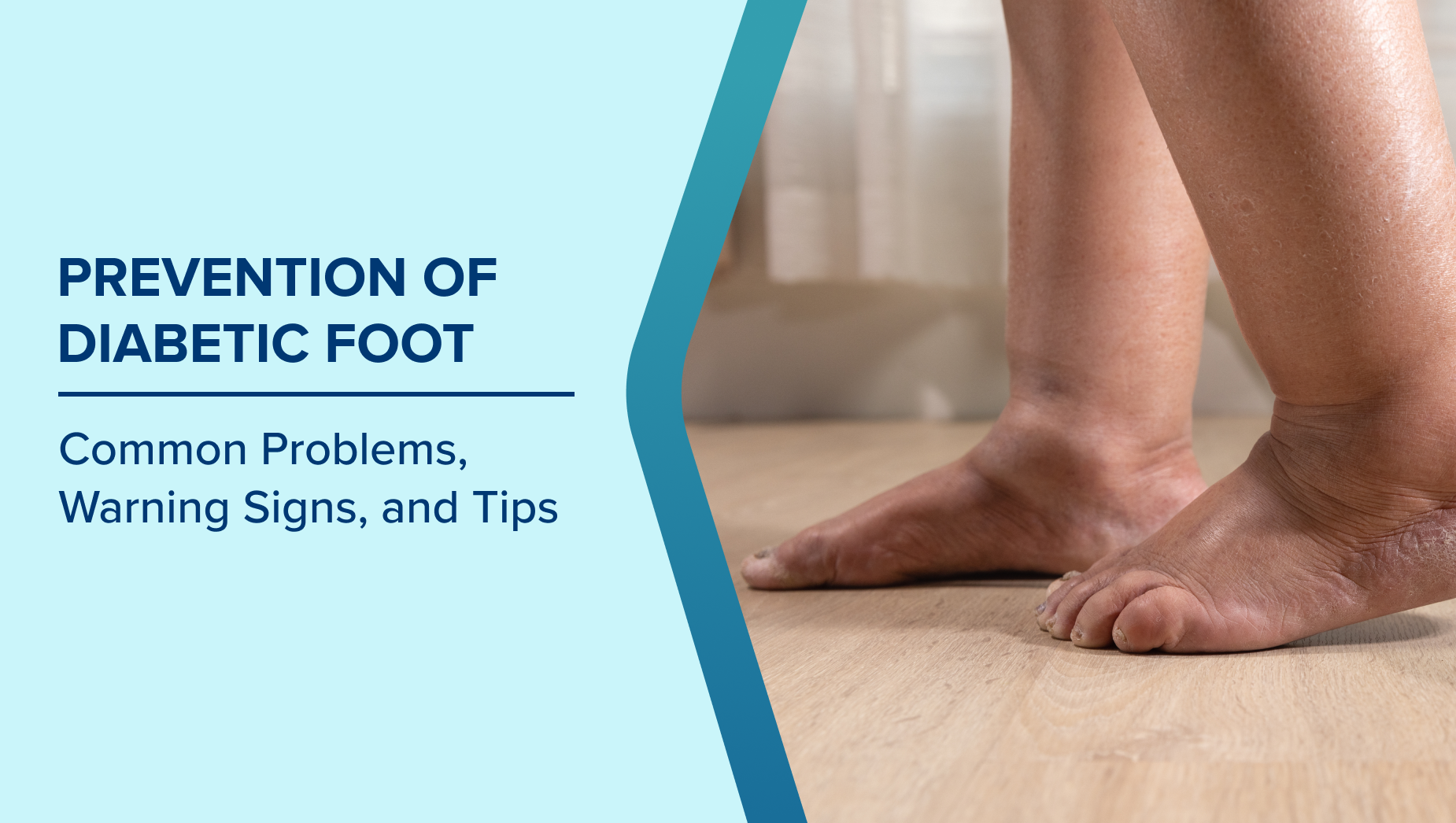
The Ultimate Guide: Prevention and Care of the Diabetic Foot
Living with diabetes requires constant vigilance, but one of the most overlooked aspects of diabetes management is proper foot care. Diabetic foot complications are among the leading causes of non-traumatic lower limb amputations worldwide. However, the most vital piece of information you can arm yourself with is this: up to 80% of diabetic amputations are entirely preventable with proper daily care and timely medical intervention.
When blood sugar levels remain consistently high, it wreaks havoc on your body's vascular and nervous systems. This damage disproportionately affects the extremities—specifically your feet. A minor scratch, a tiny blister from a tight shoe, or a small pebble in your sock can quickly escalate into a severe, limb-threatening ulcer if not caught early.
In this comprehensive, medically-reviewed guide, we will break down the science of why diabetic foot complications occur, how to build an unbreakable daily foot care routine, and when it is absolutely critical to seek professional medical help.
1. Understanding Diabetic Foot Complications: Neuropathy and Ischemia
To effectively prevent diabetic foot problems, you must first understand the two primary internal threats that diabetes poses to your lower extremities:
- Diabetic Neuropathy (Nerve Damage): High blood glucose levels eventually damage the delicate nerve fibers in your feet. This leads to a loss of sensation. You may step on a sharp object, develop a severe blister, or burn your foot on a hot surface and feel absolutely no pain. Without the body's natural "pain alarm," wounds go unnoticed and untreated.
- Peripheral Arterial Disease (PAD): Diabetes contributes to the hardening and narrowing of the blood vessels (ischemia). Poor circulation means that if you do get a cut or an ulcer, your body cannot deliver the oxygen-rich blood, white blood cells, and nutrients required to heal the wound or fight off a bacterial infection.
When you combine numbness (neuropathy) with poor healing (PAD), it creates the perfect storm for severe diabetic foot ulcers.
2. Daily Foot Care Routine for Diabetics
Prevention relies on a meticulous, non-negotiable daily routine. Think of your foot inspection as being just as important as brushing your teeth or taking your daily medications.
| The Diabetic Foot Care Do's | The Diabetic Foot Care Don'ts |
|---|---|
| DO inspect your feet daily. Use a hand mirror to check the soles of your feet for cuts, blisters, or redness. | DON'T ever walk barefoot, not even indoors. A stray pin or piece of glass can cause a severe hidden wound. |
| DO wash your feet daily in lukewarm (never hot) water with mild soap. Dry them gently but thoroughly. | DON'T soak your feet for long periods. Soaking breaks down the skin and makes it prone to tearing and infection. |
| DO apply a thin layer of moisturizer to the tops and bottoms of your feet to prevent dry, cracking skin. | DON'T apply lotion between your toes. Moisture trapped here breeds fungal infections (Athlete's foot). |
| DO trim your nails straight across and file the edges gently to avoid ingrown toenails. | DON'T try to cut off corns or calluses yourself. Never use over-the-counter chemical corn removers. |
CRITICAL WARNING: If your vision is impaired due to diabetic retinopathy, or if you cannot physically reach your feet, you must enlist a family member or caregiver to perform your daily foot inspection.
3. Choosing the Right Footwear
Your shoes are your primary armor against diabetic foot injuries. Ill-fitting shoes are the number one cause of blisters and ulcers in diabetic patients.
- Buy shoes late in the day: Feet naturally swell as the day progresses. Buying shoes in the late afternoon ensures they will not become uncomfortably tight when your feet are at their largest.
- Check the inside of your shoes: Before putting your shoes on, always shake them out and feel inside with your hand to ensure there are no pebbles, torn linings, or sharp objects.
- Wear diabetic socks: Choose seamless socks made from moisture-wicking materials (like acrylic blends). Seams can cause friction, and cotton holds onto sweat, increasing the risk of fungal infections. Avoid socks with tight elastic bands at the top, as they restrict vital blood flow.
- Consider Custom Orthotics: If you have foot deformities (like bunions or Charcot foot), consult a podiatrist for custom-molded shoes that relieve pressure points.
4. The Role of Blood Sugar Management
While local foot care is vital, systemic control of your diabetes is the ultimate preventive measure. Strict glycemic control dramatically slows the progression of neuropathy and vascular disease.
Work closely with your endocrinologist to keep your fasting blood sugar and HbA1c levels within your target range. This involves a disciplined combination of taking your prescribed insulin or oral hypoglycemics, adhering to a low-glycemic diabetic diet, and engaging in regular, safe cardiovascular exercise (which also improves blood circulation to your feet).
5. Recognizing the Warning Signs
Time is of the essence when dealing with the diabetic foot. Waiting even a few days to see if a wound "heals on its own" can lead to severe bone infections (osteomyelitis). Contact your doctor immediately if you notice any of the following warning signs:
- A cut, blister, or bruise that does not start healing within a few days.
- Skin that becomes red, warm to the touch, or swollen (signs of infection).
- Calluses that have dried blood inside them.
- Foul-smelling drainage or pus on your socks.
- New, unexplained localized pain or a sudden loss of feeling in a previously sensitive area.
- Blackened skin or tissue (a sign of gangrene/tissue death).
6. Professional Medical Checkups
Every diabetic patient requires an annual comprehensive foot exam performed by a podiatrist, endocrinologist, or vascular specialist. If you have a history of foot ulcers or severe neuropathy, you may need to be seen every 3 to 6 months.
| What to Expect During a Diabetic Foot Exam | Purpose of the Test |
|---|---|
| Monofilament Test | A soft nylon wire is brushed against your foot to check for protective sensation and nerve damage. |
| Vascular Assessment (Pulse Check) | The doctor will feel the pulses in your feet and may use a Doppler ultrasound to ensure adequate blood flow. |
| Dermatological Check | A thorough inspection for hidden fissures, fungal infections, ingrown nails, and calluses. |
| Musculoskeletal Exam | Checking for joint deformities like Charcot foot, which alters the structure and pressure points of your foot. |
7. Advanced Diabetic Foot Care in Hyderabad
For patients residing in Telangana and Andhra Pradesh, Hyderabad offers some of the most advanced diabetic foot salvage clinics in India. Catching complications early means you can take advantage of state-of-the-art treatments.
Top-tier vascular and podiatry centers in areas like Banjara Hills and Jubilee Hills offer advanced therapies such as Hyperbaric Oxygen Therapy (HBOT) to accelerate wound healing, advanced bio-engineered skin grafts for non-healing ulcers, and minimally invasive endovascular procedures to open blocked leg arteries and restore blood flow to the foot. Do not ignore a foot issue; the specialized care available in Hyderabad is designed specifically to prevent amputations and save limbs.
8. Frequently Asked Questions
Can I cut my own toenails if I have diabetes?
If you have normal sensation in your feet and good eyesight, you can carefully trim your nails straight across. However, if you have neuropathy, poor circulation, or thick, fungal nails, you should absolutely have your nails trimmed professionally by a podiatrist to avoid accidental cuts.
What exactly is a diabetic foot ulcer?
A diabetic foot ulcer is an open sore or wound that most commonly occurs on the bottom of the foot. Because of nerve damage (lack of pain) and poor circulation, a minor scrape or blister breaks down the skin tissues and fails to heal, leading to a deep, dangerous crater.
Can diabetic neuropathy in the feet be reversed?
Generally, significant nerve damage (neuropathy) cannot be fully reversed. However, maintaining strict blood sugar control can prevent the damage from getting worse, and certain medications can help manage the burning or tingling pain associated with the condition.
Are pedicures at a salon safe for diabetics?
Traditional salon pedicures are highly risky for diabetics. Salons often use sharp tools to aggressively cut cuticles and scrape calluses, which can easily cause infections. Furthermore, foot baths may harbor bacteria. It is highly recommended to seek a "medical pedicure" from a certified podiatry clinic instead.